Moissanite: The Sparkling Alternative to Diamonds
Origins and Discovery
Moissanite was first discovered in 1893 by Dr. Henri Moissan, a French chemist who later won the Nobel Prize in Chemistry. He found tiny crystals of the mineral in a meteorite crater in Arizona. Initially, Dr. Moissan believed he had found diamonds, but subsequent analysis revealed that the crystals were composed of silicon carbide, a compound with remarkable properties.
Natural moissanite is extremely rare, occurring in very small quantities in meteorites, corundum deposits, and as inclusions in diamonds. The scarcity of natural moissanite led scientists to develop methods for producing it in laboratories. Today, nearly all moissanite used in jewelry is lab-created, ensuring a sustainable and ethical source of this beautiful gemstone.
Properties of Moissanite
One of the most striking features of moissanite is its brilliance. Moissanite has a higher refractive index (2.65-2.69) than diamonds (2.42), which means it can disperse light more effectively, creating a dazzling display of fire and sparkle. This property makes moissanite an eye-catching gemstone that often appears more brilliant than a diamond.
In terms of hardness, moissanite ranks 9.25 on the Mohs scale, just below diamonds, which score a perfect 10. This makes moissanite one of the hardest known minerals, suitable for everyday wear and resistant to scratching. Its durability is comparable to that of a diamond, ensuring that moissanite jewelry can withstand the rigors of daily life.
Benefits of Moissanite
Moissanite offers several advantages over diamonds, the most notable being its affordability. On average, moissanite costs about one-tenth the price of a diamond of similar size and quality. This significant price difference allows consumers to purchase larger or higher quality stones within their budget.
Ethical considerations also play a crucial role in the growing popularity of moissanite. Unlike diamonds, which can sometimes be associated with conflict and unethical mining practices, lab-created moissanite is produced under controlled conditions without the environmental and human rights concerns associated with diamond mining. Moissanite Canada This makes moissanite an attractive option for ethically conscious consumers.
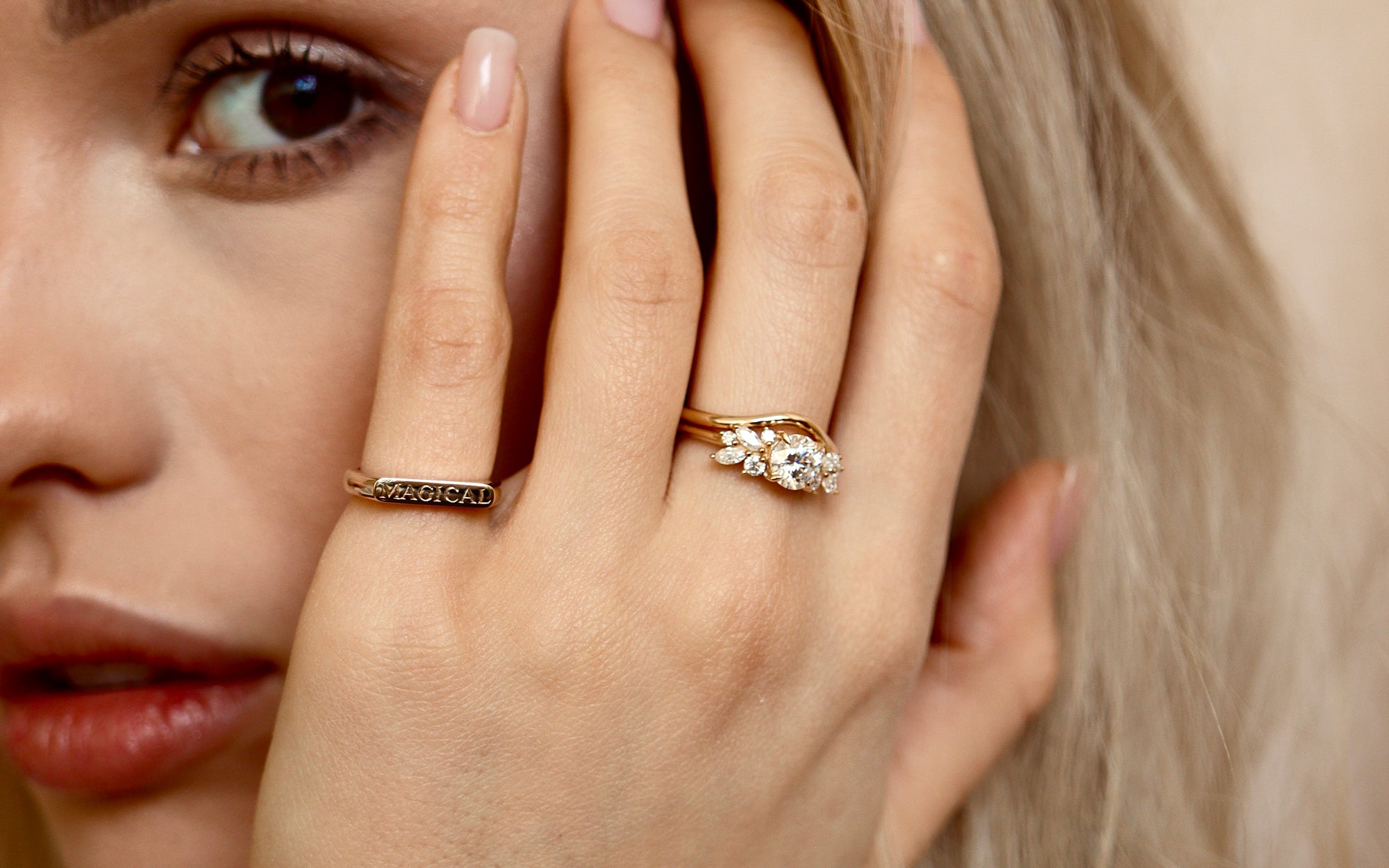
Furthermore, moissanite is a versatile gemstone that comes in various shapes, sizes, and colors. Whether set in engagement rings, earrings, necklaces, or bracelets, moissanite can complement a wide range of jewelry designs. Its ability to mimic the appearance of diamonds while offering unique properties of its own makes it a versatile and appealing choice for jewelry lovers.


Comments
Post a Comment